Clear aligners have emerged as one of the most popular orthodontic treatments in Kerala. They are transparent, removable trays created to straighten teeth without the discomfort or visibility of conventional braces. From teenagers to adults, more patients are choosing aligners because they fit seamlessly into daily life.
But the important question remains: Can clear aligners fix every dental problem? The answer is no. While they are highly effective for several alignment issues, they also have limitations. Let’s explore the dental problems clear aligners can correct and the cases where other treatments might be needed.
Table Of Content
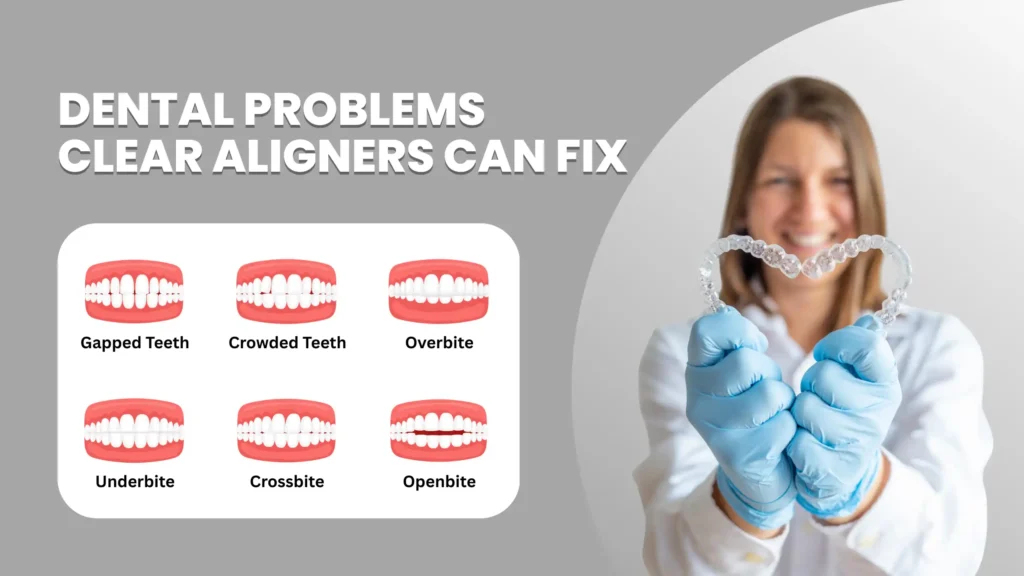
Dental Problems Clear Aligners Can Fix
1. Gapped Teeth (Diastema)
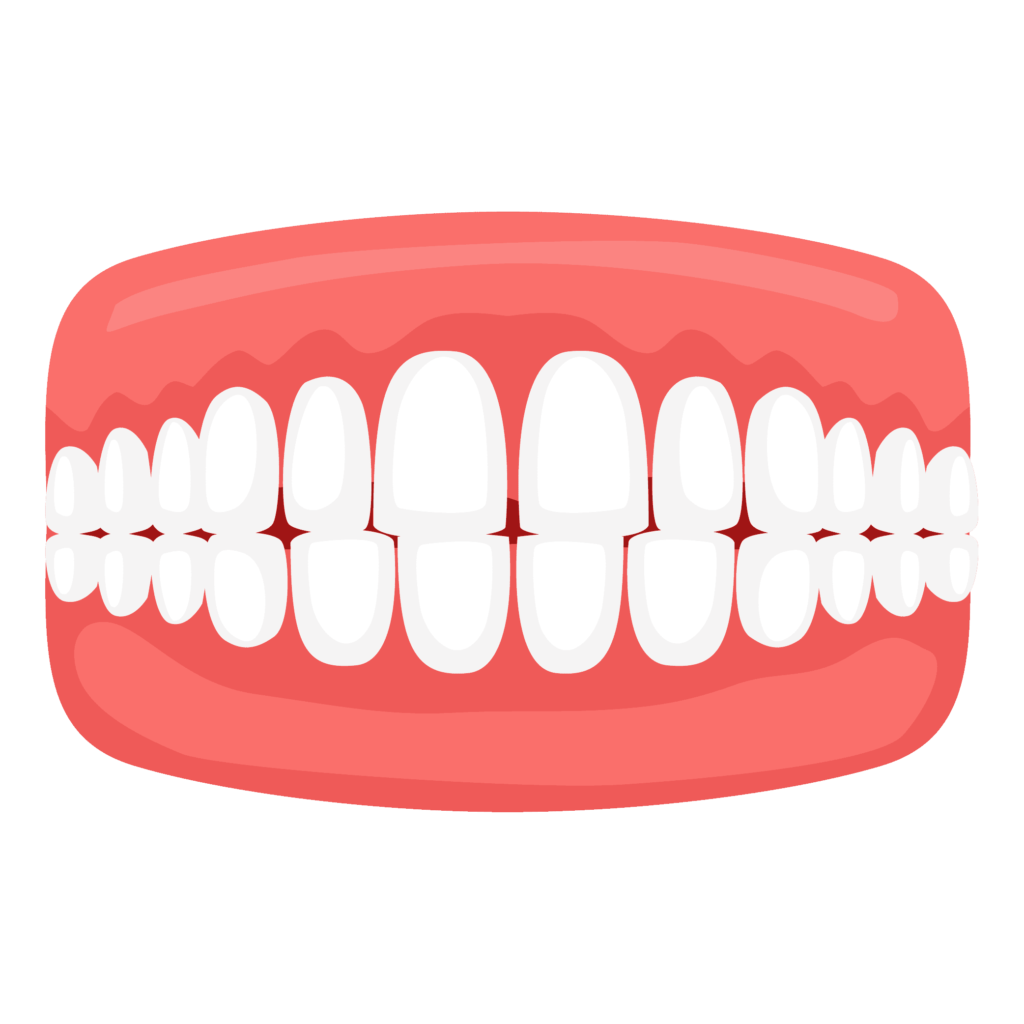
Gaps between teeth, also known as diastema, are common in both front and back teeth.
Problems Caused: Food getting stuck, gum irritation, aesthetic concerns.
How aligners help: Clear aligners can gently move teeth closer together, closing mild to moderate gaps over time.
2. Crowded Teeth
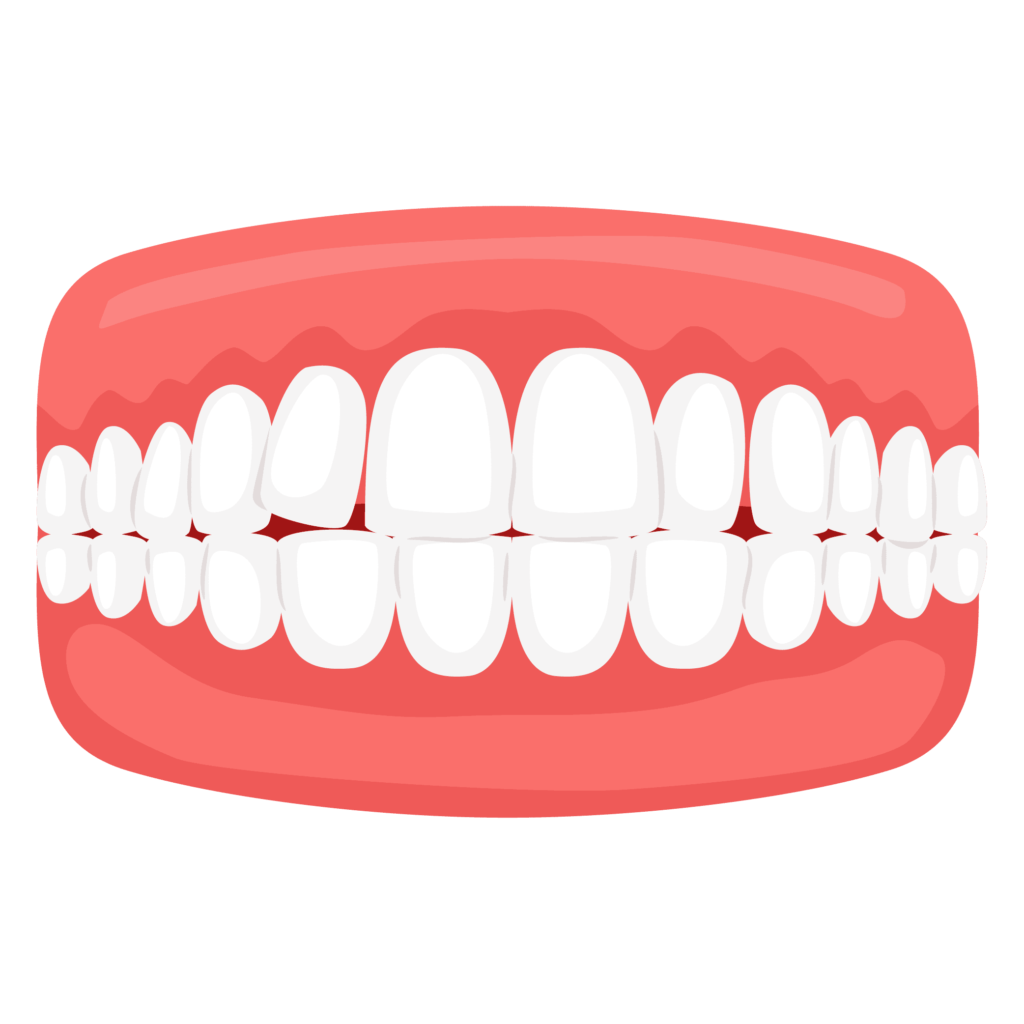
Crowding occurs when there isn’t enough space in the jaw, causing teeth to overlap or twist.
Problems caused: Difficulty cleaning, higher risk of cavities and gum disease.
How aligners help: Aligners can apply gradual pressure to shift teeth into proper alignment, creating more space for oral hygiene. Mild to moderate crowding can often be treated successfully.
3. Overbite
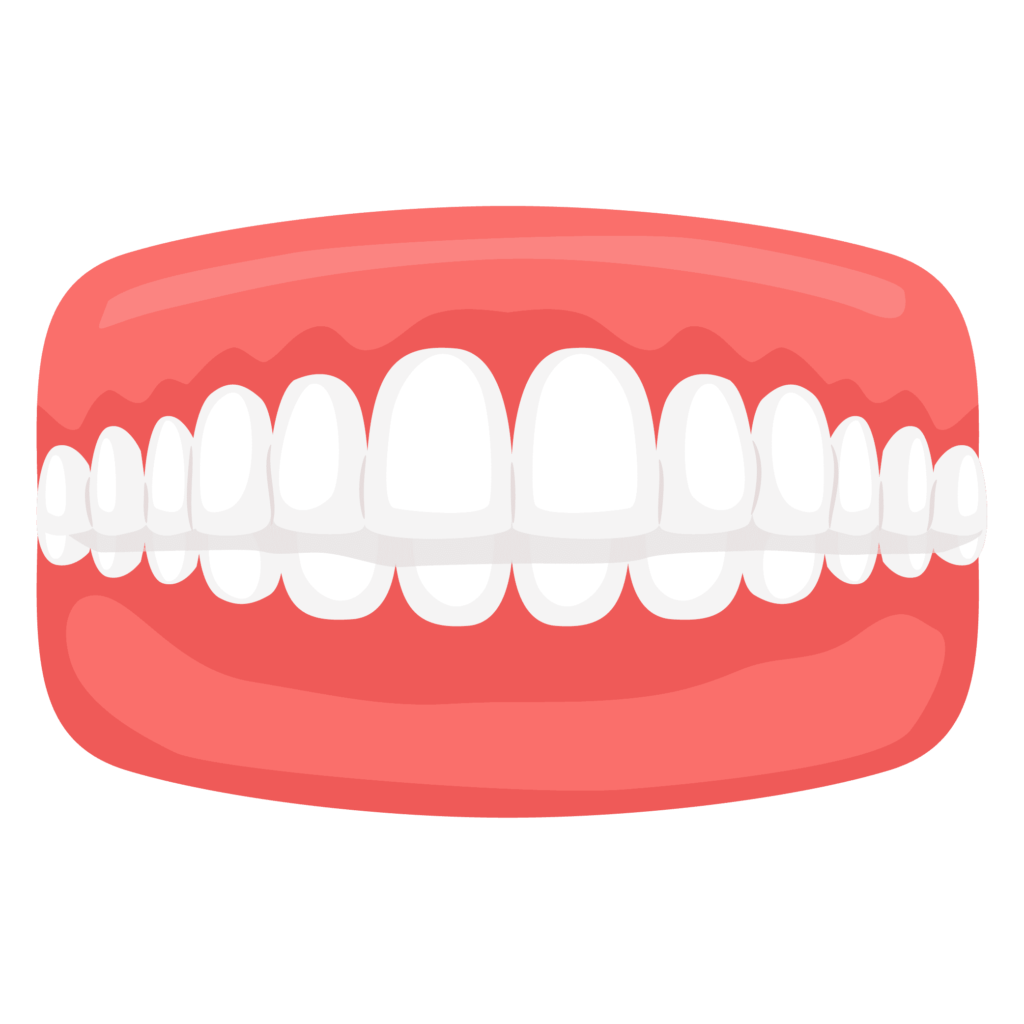
An overbite happens when the upper front teeth excessively overlap the lower teeth.
Problems caused: Tooth wear, speech issues, jaw discomfort.
How aligners help: Clear aligners can reduce mild to moderate overbites
by moving upper and lower teeth into better alignment.
4. Underbite
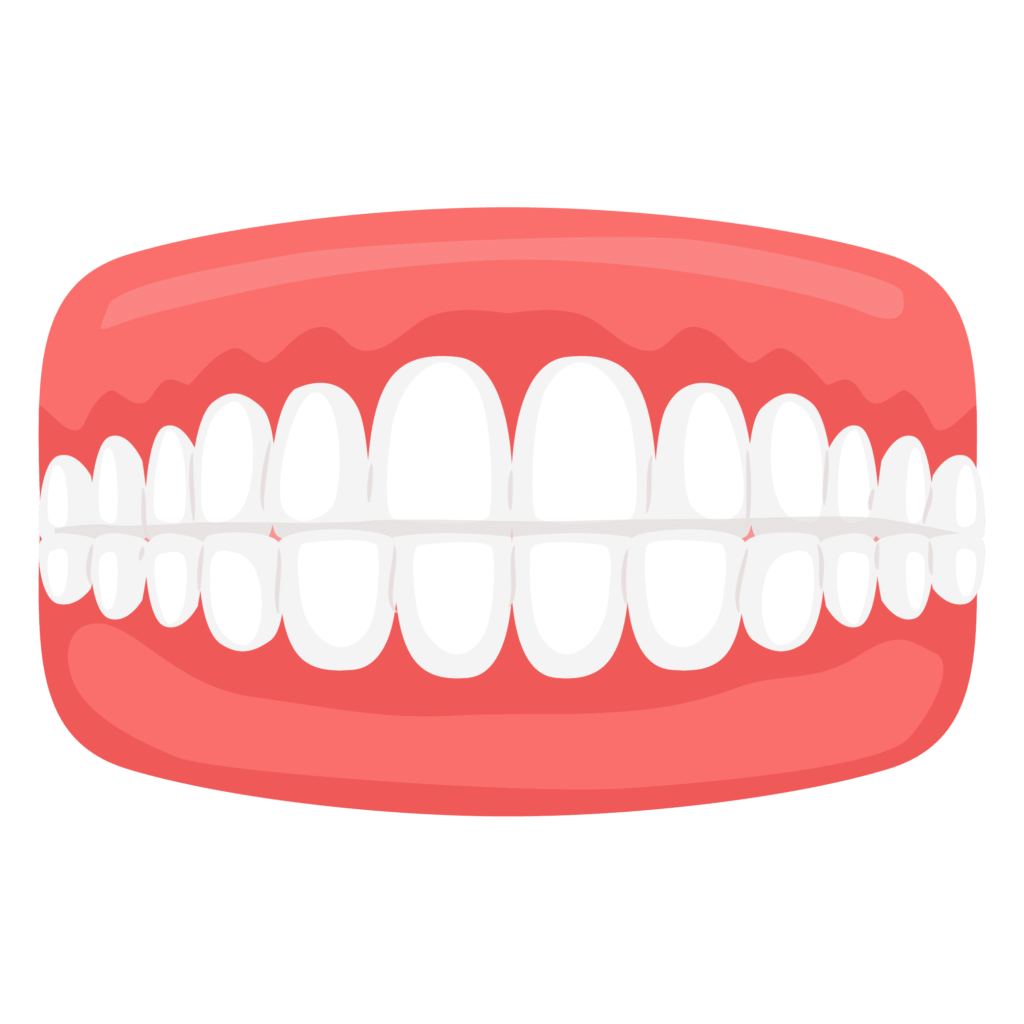
An underbite occurs when the lower teeth extend beyond the upper teeth.
Problems caused: Chewing difficulty, speech problems, facial imbalance.
How aligners help: In mild cases, aligners can guide teeth into proper alignment. However, severe underbites caused by jaw bone differences may require braces or surgery.
5. Crossbite
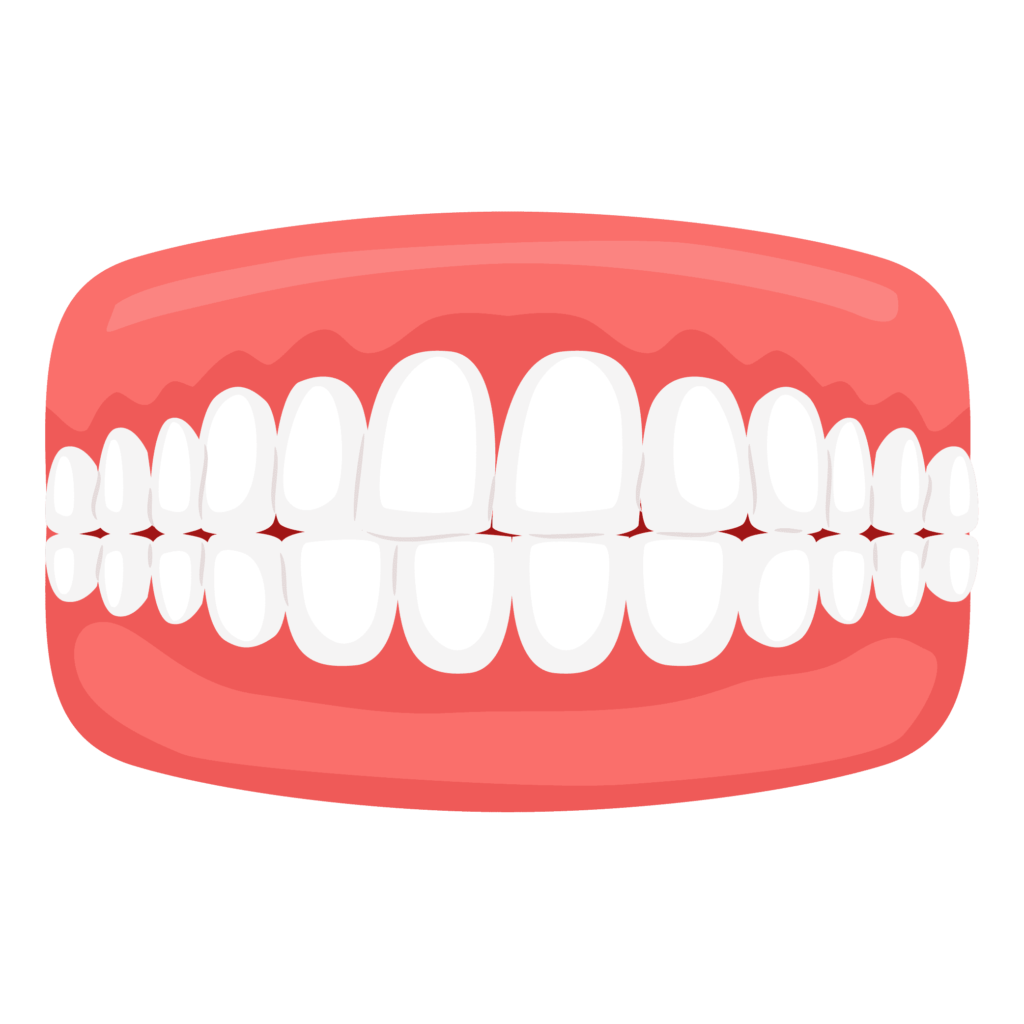
Crossbite is when some upper teeth sit inside the lower teeth instead of outside.
Problems caused: Uneven tooth wear, gum recession, risk of chipping.
How aligners help: Aligners can shift the affected teeth into the correct position, improving bite and reducing risks.
6. Open Bite
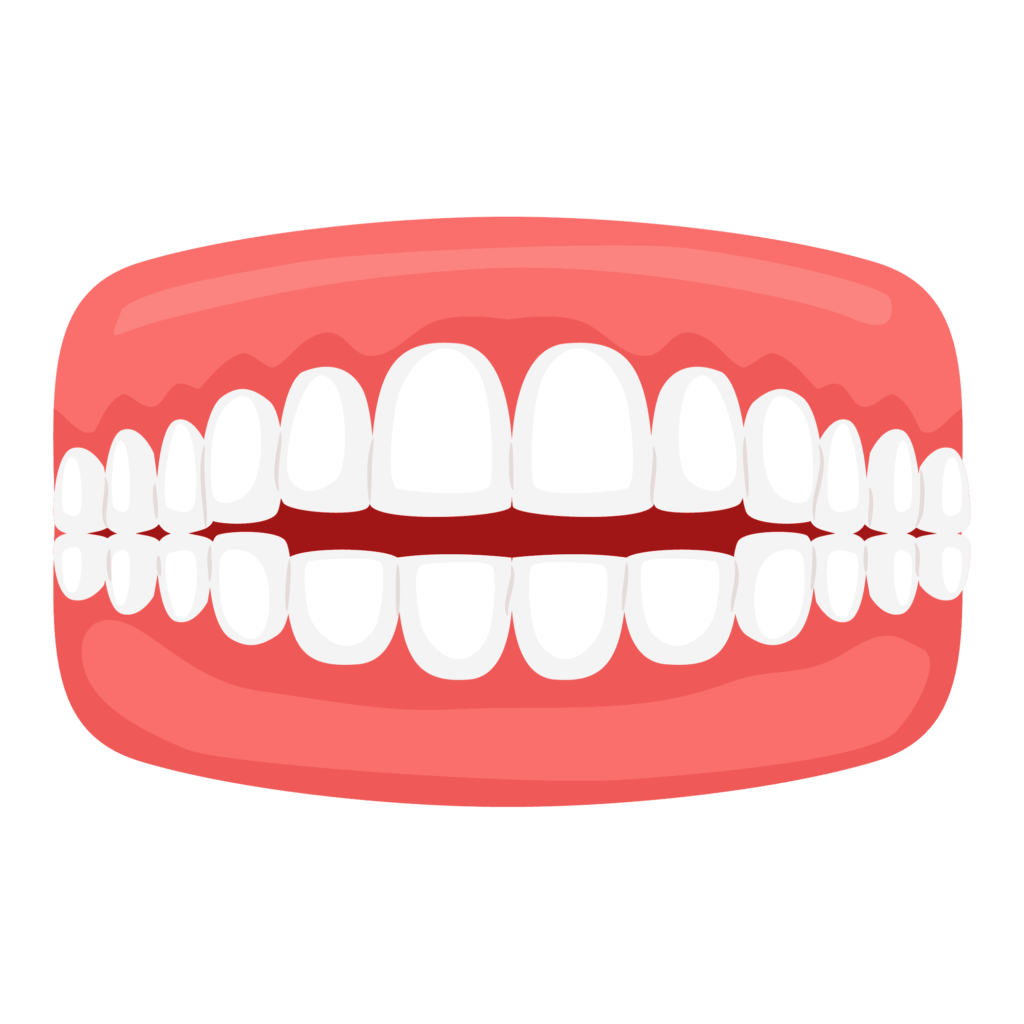
An open bite means the upper and lower teeth don’t touch when the mouth is closed.
Problems caused: Difficulty biting food, speech issues, aesthetic concerns.
How aligners help: Clear aligners can help correct mild open bites by moving teeth vertically so they meet properly. Severe cases may need additional orthodontic treatments.
Dental problems Clear Aligners Cannot Fix
While clear aligners are versatile, they are not a solution for every case.
- Severe crowding or spacing that requires tooth extraction.
- Skeletal jaw issues (such as very severe underbites/overbites) that need surgery.
- Impacted teeth (teeth stuck in gums/bone).
- Patients with poor discipline who cannot wear aligners for 20 – 22 hours a day.
In such situations, traditional braces or combined orthodontic approaches may be more effective.
How Orthodontists Determine if Clear Aligners Are Right for You
Not everyone is eligible for clear aligners. Dentists and orthodontists in Kerala typically,
- Take digital scans and X-rays to assess alignment.
- Review your dental history and oral health.
- Create a 3D treatment plan showing predicted results.
- Recommend aligners, braces, or surgery depending on the complexity.
Want to know more about clear aligners and dental misalignment problems? Check out our Complete Guide to Clear Aligners in Kerala, for in depth information.
Conclusion
Clear aligners are a safe, modern, and effective treatment for gaps, crowded teeth, overbites, underbites, crossbites, and mild open bites. However, they are not suitable for severe alignment or skeletal jaw issues.
If you’re unsure whether clear aligners can fix your dental problem, consult a verified orthodontist in Kerala. Explore our clinics page to find trusted specialists near you and start your smile journey with confidence.